Close Menu
Digital Trade Outlook

    Subscribe to DTO

    Get the latest intelligence on digital trade, cross-border payments and transaction banking, selected by our editors and delivered to your inbox.

    What's Hot

    ASEAN Signs Its Digital Economy Agreement and ADB Says Money Is Not the Constraint. Who Moves First?

    November 15, 2026

    Canada’s Instant Payment Rail Is Live and a Link With Europe Is Planned. What About the US?

    November 15, 2026

    India Puts Exporters Back on a Nine Month Clock. Banks Decide Who Gets More Time.

    November 12, 2026
    LinkedIn X (Twitter)
    Digital Trade Outlook
    Subscribe
    • News
      • Trade Finance & Transaction Banking
      • Cross-Border Payments
      • Supply Chain Finance
      • Digital Trade Infrastructure
      • Treasury & Liquidity
      • Risk & Compliance
      • Analysis
      • Executive Moves & Appointments
    • Executive Voice
    • Outlook Op-Ed
    • Insights
      • Analysis
      • Explainers
      • MLETR Adoption Tracker
    • About Us
    • Advertise & Partner
    Digital Trade Outlook
    Home»Analysis»Shipping Goes Digital, but Banks Remain a Hurdle to Paperless Trade
    Analysis

    Shipping Goes Digital, but Banks Remain a Hurdle to Paperless Trade

    By Digital Trade OutlookNovember 7, 2026
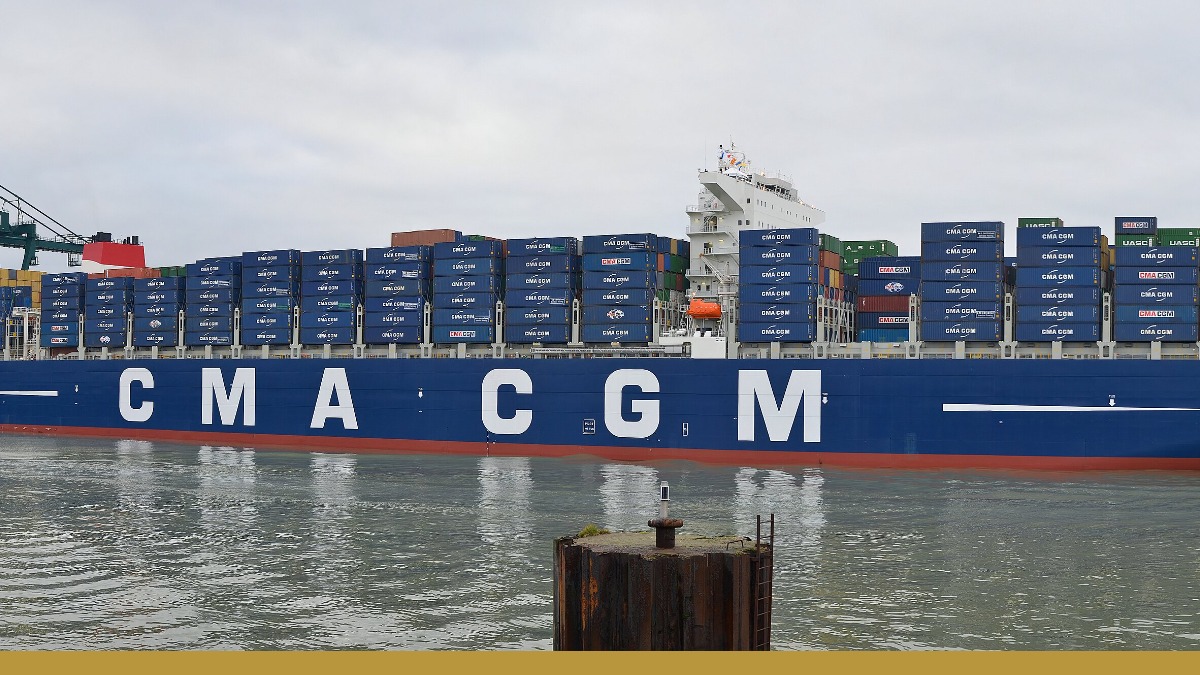
    Container ship CMA CGM Marco Polo at Zeebrugge port, Belgium

    Shippers are moving to electronic bills of lading. The banks that finance their trade are not keeping pace. The FIT Alliance was founded by the ICC, BIMCO, DCSA, FIATA and Swift. Its survey, published on 21 October, found that 51.1% of respondents now use electronic bills of lading in some form. Among banks, 22.2% report even partial use, against 21.1% in 2024.

    A bill of lading is a document of title, and a bank lends against it while the goods are at sea. If the bank will not accept the electronic version, the shipper still needs the paper one.

    The survey drew on 190 responses from the five founders’ networks. Overall use was 33.0% in 2022 and 49.2% in 2024. Use with no paper alongside rose from 7.5% in 2024 to 11.2%. Respondents named faster processing as the main benefit, and 93.8% see electronic bills of lading as an enabler of wider digital change in trade. Bank use barely moved, even though 82.5% of banks were already aware of the technology in 2024.

    The law is no longer the main obstacle

    The share of respondents calling legal acceptance a significant obstacle fell from 55.0% in 2022 to 42.6% in 2024. In 2026 the most cited concern was interoperability and platform fragmentation. The alliance says banks need legal, technical and network level assurance that control, status and transfer can be checked across the whole system, not just inside one platform.

    On 4 June, DCSA said five platforms had adopted version 2 of its interoperability annex: CargoX, edoxOnline, TradeGo, WaveBL and eTEU. Each is approved by the International Group of P&I Clubs. DCSA said they can now exchange electronic bills of lading under a common legal and technical framework. The FIT Alliance still calls interoperability the main challenge. It wants the electronic bill of lading to become a standards based data object that travels between systems, not a record tied to the platform that issued it.

    What to watch by 2028

    The date to watch is February 2028. In February 2023, nine DCSA carriers committed to converting half their original bills of lading to electronic form within five years, and reaching 100% by 2030. In 2021, only 1.2% were electronic. If banks are accepting cross platform electronic bills of lading by 2028, the paper set is on its way out. If bank use is still around one in five, exporters will keep paying for both.

    Related on Digital Trade Outlook

    • What Is MLETR? The UN Model Law Making Electronic Trade Documents Legally Valid
    • Five Hong Kong Banks Now Check Mainland Customs Data. The Harder Part Comes Next
    • NBB Signs Up First for Bahrain’s Trade Finance Registry, a Shared Check Against Double Financing

    Image: © Hans Hillewaert, CC BY-SA 4.0, via Wikimedia Commons (cropped)

    Advertise & Partner
    Reach decision-makers in trade finance, transaction banking and cross-border payments with Digital Trade Outlook.
    Partner with us →
    DCSA Digital Trade Documents eBL Adoption Electronic Bill of Lading FIT Alliance ICC interoperability Trade Finance

    Related Posts

    ASEAN Signs Its Digital Economy Agreement and ADB Says Money Is Not the Constraint. Who Moves First?

    Canada’s Instant Payment Rail Is Live and a Link With Europe Is Planned. What About the US?

    India Puts Exporters Back on a Nine Month Clock. Banks Decide Who Gets More Time.

    Executive Voice

    “Rather than any single technology or form of money replacing what exists today, we expect to see the emergence of a multi-rail environment” – Tsvetanka Nankova, Deutsche Bank

    “Corporates will forgive a delay they understand, but they will not forgive silence” – Sana Shah, Graystone Capital

    “Simplification is the enabler that makes every other innovation possible” – Arnaud Declochez, BNP Paribas CIB

    Our Analysis
    • ASEAN and Asian Development Bank logos
      ASEAN Signs Its Digital Economy Agreement and ADB Says Money Is Not the Constraint. Who Moves First?November 15, 2026
    • Payments Canada logo
      Canada’s Instant Payment Rail Is Live and a Link With Europe Is Planned. What About the US?November 15, 2026
    • Container ship being unloaded by gantry cranes at Jawaharlal Nehru Port in Navi Mumbai, India
      India Puts Exporters Back on a Nine Month Clock. Banks Decide Who Gets More Time.November 12, 2026

    Outlook Op-Ed

    Have an argument the industry should hear?

    Senior leaders in trade, payments and transaction banking can propose a piece.

    Propose an op-ed →
    Latest News

    ASEAN Signs Its Digital Economy Agreement and ADB Says Money Is Not the Constraint. Who Moves First?

    November 15, 2026

    Canada’s Instant Payment Rail Is Live and a Link With Europe Is Planned. What About the US?

    November 15, 2026

    India Puts Exporters Back on a Nine Month Clock. Banks Decide Who Gets More Time.

    November 12, 2026

    Subscribe to Updates

    Digital Trade Outlook
    Executive Voice

    “Rather than any single technology or form of money replacing what exists today, we expect to see the emergence of a multi-rail environment” – Tsvetanka Nankova, Deutsche Bank

    November 17, 2026

    “Corporates will forgive a delay they understand, but they will not forgive silence” – Sana Shah, Graystone Capital

    October 27, 2026

    “Simplification is the enabler that makes every other innovation possible” – Arnaud Declochez, BNP Paribas CIB

    October 23, 2026
    Analysis

    ASEAN Signs Its Digital Economy Agreement and ADB Says Money Is Not the Constraint. Who Moves First?

    November 15, 2026

    Canada’s Instant Payment Rail Is Live and a Link With Europe Is Planned. What About the US?

    November 15, 2026

    India Puts Exporters Back on a Nine Month Clock. Banks Decide Who Gets More Time.

    November 12, 2026

    Subscribe to Updates

    About Us

    Digital Trade Outlook is a global intelligence platform covering digital trade and cross-border commerce, delivering independent insights across transaction banking, trade finance, payments and modern trade infrastructure.

    Reach Us

    Editorial, partnerships and research:
    editorial@digitaltradeoutlook.com

    Advertise & Partner →

    Company
    • About Us
    • Executive Voice
    • Advertise & Partner
    • Privacy Policy
    • Editorial Standards
    • Terms of Use
    © 2026 Digital Trade Outlook.

    Type above and press Enter to search. Press Esc to cancel.