Close Menu
Digital Trade Outlook

    Subscribe to DTO

    Get the latest intelligence on digital trade, cross-border payments and transaction banking, selected by our editors and delivered to your inbox.

    What's Hot

    ASEAN Signs Its Digital Economy Agreement and ADB Says Money Is Not the Constraint. Who Moves First?

    November 15, 2026

    Canada’s Instant Payment Rail Is Live and a Link With Europe Is Planned. What About the US?

    November 15, 2026

    India Puts Exporters Back on a Nine Month Clock. Banks Decide Who Gets More Time.

    November 12, 2026
    LinkedIn X (Twitter)
    Digital Trade Outlook
    Subscribe
    • News
      • Trade Finance & Transaction Banking
      • Cross-Border Payments
      • Supply Chain Finance
      • Digital Trade Infrastructure
      • Treasury & Liquidity
      • Risk & Compliance
      • Analysis
      • Executive Moves & Appointments
    • Executive Voice
    • Outlook Op-Ed
    • Insights
      • Analysis
      • Explainers
      • MLETR Adoption Tracker
    • About Us
    • Advertise & Partner
    Digital Trade Outlook
    Home»Analysis»India Puts Exporters Back on a Nine Month Clock. Banks Decide Who Gets More Time.
    Analysis

    India Puts Exporters Back on a Nine Month Clock. Banks Decide Who Gets More Time.

    By Digital Trade OutlookNovember 12, 2026
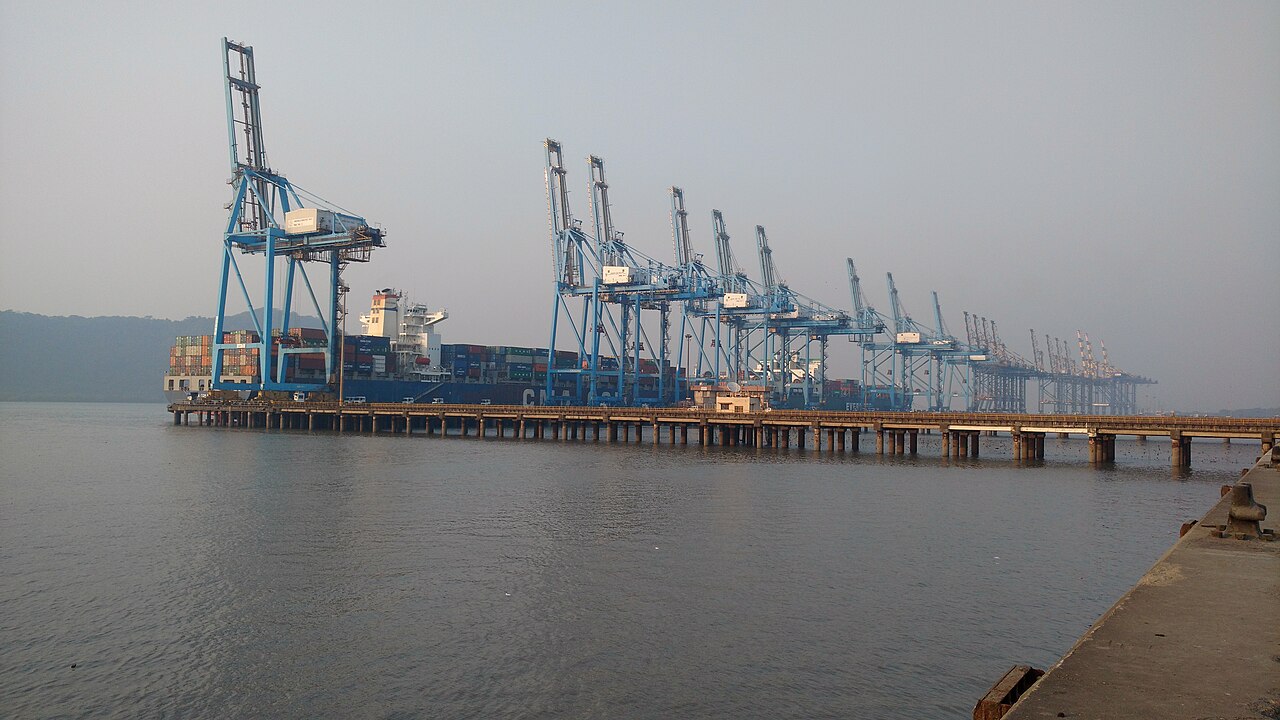
    Container ship being unloaded by gantry cranes at Jawaharlal Nehru Port in Navi Mumbai, India
    Container handling at Jawaharlal Nehru Port, Navi Mumbai. Photo: Ccmarathe, Wikimedia Commons, CC BY-SA 4.0

    Two Indian exporters with the same late paying buyer can now get two different answers from their banks. That is what the Reserve Bank of India’s new export rules, in force since 1 October 2026, come down to in practice.

    Exporters have nine months to bring their export money home. If the export is invoiced or settled in rupees, they get twelve. Nine months was the rule for years. Last year the RBI stretched it to fifteen because world trade was disrupted, and the new rulebook issued in January also said fifteen. Then on 22 September, nine days before the rulebook came into force, the RBI cut it back to nine.

    The clock starts when goods are shipped. For services it starts on the invoice date, and for goods kept in an overseas warehouse, on the day they are sold. Project exports go by the contract. Bills from the relief period may carry different deadlines, so exporters will have to check them one at a time.

    Extra time now comes from the exporter’s bank. The bank can extend the deadline if the exporter gives a reason and the bank accepts it. Each bank writes its own policy, has to allow an appeal to someone more senior, and has to publish the main points on its website. What the rules leave out is any list of which reasons are good enough. That is the weak spot. Without a common standard, the outcome may depend less on the exporter’s case than on which bank it happens to use.

    This matters to buyers abroad as well. An Indian exporter who used to give a customer twelve months to pay now needs the bank’s approval or has to ask the customer to pay sooner. Billing in rupees gives three more months, but only if the customer is willing to pay in rupees. Some overseas buyers may hear both requests the next time a contract comes up.

    The RBI’s separate relief letting banks lend to exporters for up to 450 days, on loans paid out by 30 June 2026, does not change any of this. It covers how long a bank can lend, not how long an exporter has to bring the money home.

    Service exporters get a little less paperwork. Since 2 November, an individual is treated as having filed the export declaration form once the bank has the payment details. Other service exporters get the same treatment for payments of up to ₹10 lakh.

    Goods shipped in October 2026 reach the nine month mark in July 2027. Banks must follow every bill until the money comes in, so they will want papers before agreeing to more time. Exporters selling on long credit would do well to start that conversation now rather than in June 2027.

    Related on Digital Trade Outlook

    • China’s Draft Forex Rules Cut Paperwork for Trusted Traders. What Changes for Banks?
    • When Development Banks Carry the Risk, Who Is Really Lending?
    • UKEF Raises Ukraine Limit to £6.5bn as Lenders Get More Room on Export Finance

    Image: Container handling at Jawaharlal Nehru Port, Navi Mumbai. Ccmarathe, CC BY-SA 4.0, via Wikimedia Commons

    Advertise & Partner
    Reach decision-makers in trade finance, transaction banking and cross-border payments with Digital Trade Outlook.
    Partner with us →
    Export Finance India RBI Reserve Bank of India Trade Finance

    Related Posts

    ASEAN Signs Its Digital Economy Agreement and ADB Says Money Is Not the Constraint. Who Moves First?

    Canada’s Instant Payment Rail Is Live and a Link With Europe Is Planned. What About the US?

    When Development Banks Carry the Risk, Who Is Really Lending?

    Executive Voice

    “Rather than any single technology or form of money replacing what exists today, we expect to see the emergence of a multi-rail environment” – Tsvetanka Nankova, Deutsche Bank

    “Corporates will forgive a delay they understand, but they will not forgive silence” – Sana Shah, Graystone Capital

    “Simplification is the enabler that makes every other innovation possible” – Arnaud Declochez, BNP Paribas CIB

    Our Analysis
    • ASEAN and Asian Development Bank logos
      ASEAN Signs Its Digital Economy Agreement and ADB Says Money Is Not the Constraint. Who Moves First?November 15, 2026
    • Payments Canada logo
      Canada’s Instant Payment Rail Is Live and a Link With Europe Is Planned. What About the US?November 15, 2026
    • Container ship being unloaded by gantry cranes at Jawaharlal Nehru Port in Navi Mumbai, India
      India Puts Exporters Back on a Nine Month Clock. Banks Decide Who Gets More Time.November 12, 2026

    Outlook Op-Ed

    Have an argument the industry should hear?

    Senior leaders in trade, payments and transaction banking can propose a piece.

    Propose an op-ed →
    Latest News

    ASEAN Signs Its Digital Economy Agreement and ADB Says Money Is Not the Constraint. Who Moves First?

    November 15, 2026

    Canada’s Instant Payment Rail Is Live and a Link With Europe Is Planned. What About the US?

    November 15, 2026

    When Development Banks Carry the Risk, Who Is Really Lending?

    November 7, 2026

    Subscribe to Updates

    Digital Trade Outlook
    Executive Voice

    “Rather than any single technology or form of money replacing what exists today, we expect to see the emergence of a multi-rail environment” – Tsvetanka Nankova, Deutsche Bank

    November 17, 2026

    “Corporates will forgive a delay they understand, but they will not forgive silence” – Sana Shah, Graystone Capital

    October 27, 2026

    “Simplification is the enabler that makes every other innovation possible” – Arnaud Declochez, BNP Paribas CIB

    October 23, 2026
    Analysis

    ASEAN Signs Its Digital Economy Agreement and ADB Says Money Is Not the Constraint. Who Moves First?

    November 15, 2026

    Canada’s Instant Payment Rail Is Live and a Link With Europe Is Planned. What About the US?

    November 15, 2026

    India Puts Exporters Back on a Nine Month Clock. Banks Decide Who Gets More Time.

    November 12, 2026

    Subscribe to Updates

    About Us

    Digital Trade Outlook is a global intelligence platform covering digital trade and cross-border commerce, delivering independent insights across transaction banking, trade finance, payments and modern trade infrastructure.

    Reach Us

    Editorial, partnerships and research:
    editorial@digitaltradeoutlook.com

    Advertise & Partner →

    Company
    • About Us
    • Executive Voice
    • Advertise & Partner
    • Privacy Policy
    • Editorial Standards
    • Terms of Use
    © 2026 Digital Trade Outlook.

    Type above and press Enter to search. Press Esc to cancel.