
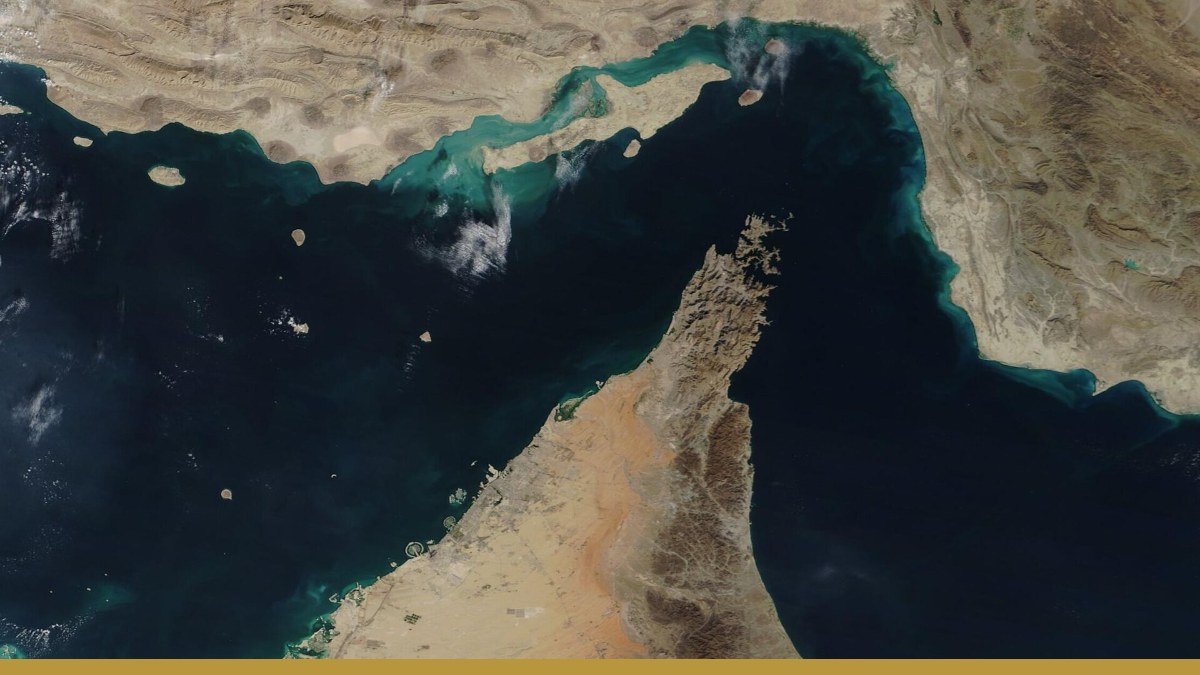
Attacks on tankers around the Strait of Hormuz have surged. Reports citing maritime security sources counted at least 12 attacks on oil, LNG and LPG tankers around the strait between 28 September and 5 October, while the International Maritime Organization (IMO) recorded nine incidents involving vessels over the same period.
Iran and the United States are telling very different stories about the same stretch of water. An adviser to Iran’s Revolutionary Guards says the strait is closed and under their control, while US Secretary of State Marco Rubio says it is open, with almost as much oil flowing out as before the conflict began.
Two Versions of the Same Waterway
For anyone financing a cargo in the region, this is not an academic dispute. Banks, insurers, exporters and importers cannot wait for it to be settled. They have to decide now whether a shipment can sail, whether it can be insured and whether its documents will arrive on time.
Insurers have already put a price on the uncertainty. On 22 July, insurance broker Marsh reported that additional war risk premiums for Hormuz transits had risen to between 7.5% and 10% of a vessel’s insured hull value, from 1% to 3% several weeks earlier.
Traffic has thinned too. Commodity intelligence firm Kpler reported two vessels crossing the strait on 5 August, compared with the 130 to 140 that typically passed before the war.
The Bank Is Covered, but the Trade Is Not
In April, the International Chamber of Commerce (ICC) published guidance on how its trade finance rules apply during the conflict. The guidance note says the conflict, which began on 28 February, appears to be affecting trade finance mainly through geopolitics, sanctions exposure, insurance, shipping routes and document handling. It adds that none of this changes how ICC rules apply to documentary trade instruments such as letters of credit.
That matters most for letters of credit. A letter of credit is a bank’s promise to pay an exporter once the exporter presents documents that match the agreed terms.
The ICC rules already protect banks from liability for delay, loss or errors in the transmission of documents or messages. Their force majeure protection is narrow. It covers only interruptions to the bank’s own operations, not outside events that make business harder while the bank stays open. Nor do the rules cover a buyer or seller who faces force majeure under the law governing their own contract.
In practice, the bank’s promise to pay against correct documents holds. The trouble with the shipment stays with the exporter and the importer. A letter of credit is a promise about paper, not about ships. If the vessel is late, the exporter waits longer to be paid and the importer waits longer for the goods.
Every Extra Day at Sea Comes at a Price
Time is the cost that never shows up on an invoice. Rerouting around the Cape of Good Hope adds at least 10 days to delivery times on the Red Sea route. One published estimate shows how that adds up. Ten days is about 2.7% of a year, so an importer buying evenly through the year has roughly that share of its annual purchases tied up at sea. On $1 billion of affected goods, that comes to about $27 million of extra inventory to finance.
Companies are already adjusting. Allianz Trade surveyed 6,000 firms both before and after the war began. Compared with the earlier answers, the share expecting longer export payment terms over the next 6 to 12 months rose five points to 43%. The share expecting a bigger risk of not being paid rose six points to 40%. Longer waits and weaker trust tend to go together.
Questions Worth Asking
The first is who should carry a delay that nobody can predict. Contracts written around normal voyage times may no longer fit. Validity dates and payment terms may need to stretch, and every extension is a negotiation. Smaller exporters have the least leverage in those talks.
The second is about documents. The ICC guidance says that when disruption makes it hard to present or check documents, the parties can agree to use scanned or electronic copies instead of the originals. They can also use the ICC’s electronic supplements, known as eUCP and eURC, which set the rules for electronic records once they are written into the credit. That makes digital documents a safety net as well as a way to save time.
The third is less comfortable. If the basic facts about a route are disputed, an argument over whether a passage was open could turn into an argument over who is responsible for the delay. That is a possibility, not a reported outcome, but it follows from the incentives.
The broader point is that the rulebook is holding while the risk around it shifts from one party to another. Exporters may wait longer and find credit tighter. Importers may have to hold more stock. Banks may be asked to stretch validity dates and payment terms. One analysis suggests the extra cost is unlikely to fade until shipping looks normal again, with steady vessel traffic and falling insurance premiums as the signs. Until then, it will keep showing up in freight charges, insurance bills and the cash companies tie up to keep goods moving.
The Rulebook Holds, the Risk Moves
Very little of this risk sits in the rulebook. Most of it sits in the gaps between the parties to a trade. The ICC has confirmed its rules are unchanged, which leaves contracts, insurance and the quality of documents to absorb the shock. If the dispute over Hormuz drags on, exporters will gravitate to the banks and platforms that can move documents digitally and show where each cargo stands.
Related on Digital Trade Outlook
- War Rooms and Wire Transfers: Why Conflict Is the New Catalyst for Trade Innovation
- Iran Moves to Formalise Strait of Hormuz Transit Fees as Oil Surges and Trade Disruption Deepens
- When Sanctions Target the Bank and Not Just the Buyer, Banks Become Gatekeepers and Exporters Could Feel It First
Image: NASA