
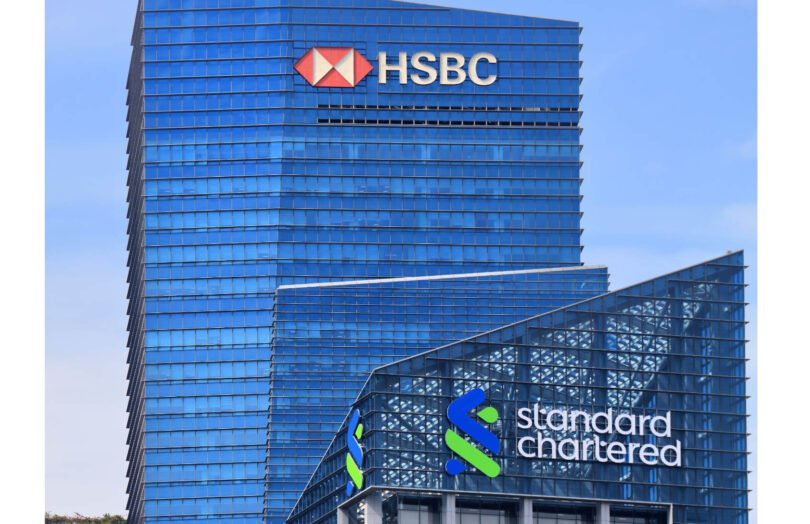
Hong Kong has taken a significant step towards regulated digital money, granting its first stablecoin issuer licences to HSBC and Anchorpoint Financial Limited, a consortium backed by Standard Chartered, HKT and Animoca Brands.
The approvals were issued by the Hong Kong Monetary Authority under the city’s Stablecoins Ordinance, which came into effect in August 2025. The regulator reviewed dozens of applications before granting the first licences, reflecting a deliberately cautious approach to market entry.
Both issuers are expected to launch Hong Kong dollar-backed stablecoins, positioning them as regulated digital representations of fiat currency rather than crypto-native assets.
HSBC is preparing for a rollout in the second half of 2026, with plans to integrate the stablecoin into its PayMe wallet and mobile banking platform. Early use cases are likely to focus on everyday payments, including peer-to-peer transfers, merchant transactions and recurring payments.
Anchorpoint is expected to move sooner, with a broader positioning that includes cross-border payments and settlement for digital asset transactions. Backing from Standard Chartered and its partners points to a stronger institutional use case, particularly in areas where traditional settlement processes remain slow or fragmented.
The HKMA has emphasised strict safeguards. Licensed issuers must maintain full reserve backing for all stablecoins in circulation, in line with emerging global regulatory standards aimed at ensuring stability and protecting users.
The choice of licence holders is equally important. By prioritising large, regulated financial institutions and established corporate players, Hong Kong is signalling that stablecoin development will sit firmly within a controlled, bank-led framework.
Hong Kong: What It Means
This reflects a broader strategic direction. Rather than competing with less regulated crypto markets, Hong Kong is building a system where digital assets, payments and tokenised finance evolve under clear regulatory oversight.
The longer-term opportunity lies in cross-border payments and trade-linked transactions. If adopted at scale, regulated stablecoins could help reduce settlement friction across regional corridors, though their role will need to evolve alongside regulatory considerations, particularly in relation to mainland China.
DTO Perspective
This is not a race to launch stablecoins. It is a decision about who gets to issue digital money.
By approving HSBC and a Standard Chartered-backed consortium first, Hong Kong has made it clear that banks will anchor this market. Trust, balance sheet strength and regulatory alignment are being prioritised over speed.
For transaction banking, the implications are meaningful. A fully backed, regulated digital Hong Kong dollar could improve settlement efficiency in both payments and trade flows, especially where cross-border friction remains high.
But the model is intentionally controlled. Innovation will move within regulatory boundaries, not ahead of them. Hong Kong’s bet is that credibility, not experimentation, will define the next phase of digital finance.
Related on Digital Trade Outlook
- Standard Chartered Appoints Ole Matthiessen to Lead Transaction Services and Digital Assets
- Citi Supports Fullgoal’s Entry into Hong Kong ETF Market with New Mandate
- Bank Indonesia and HKMA Sign MoU to Explore QR Payment Links Between Indonesia and Hong Kong
- RedotPay Receives Independent Big Four Review of Its AML/CFT Controls
- Capital Layer Extends Japan-Taiwan Stablecoin Corridor with Tokyo-Listed Green Monster