
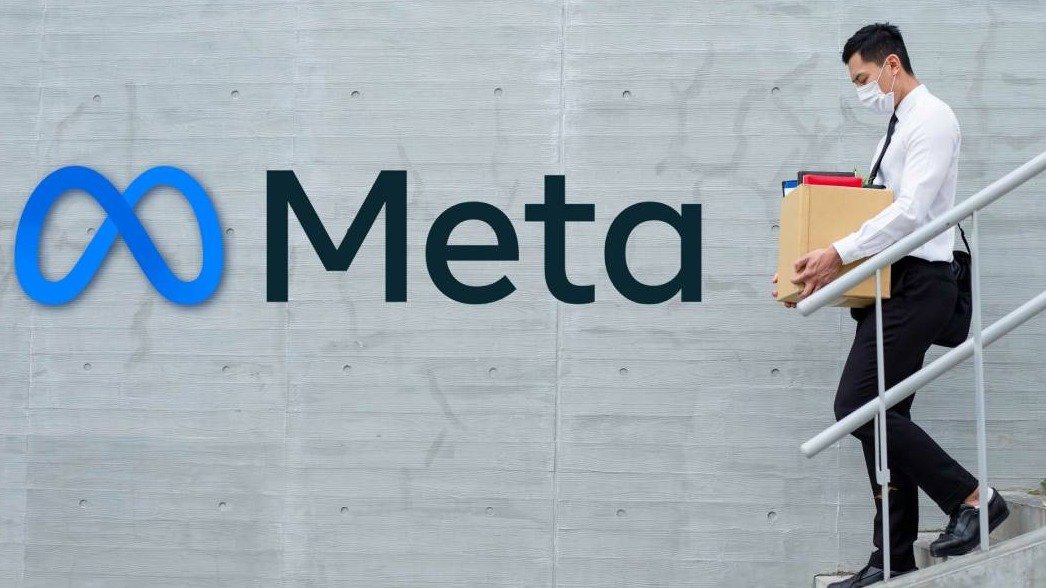
Meta Platforms is considering another round of job cuts as the social media giant ramps up spending on artificial intelligence infrastructure, a move that could affect as much as one-fifth of its workforce, according to people familiar with the discussions cited by Reuters.
The proposed layoffs have not yet been finalised and no timeline has been announced. Sources told Reuters that the company’s leadership has begun internal discussions about restructuring teams as Meta seeks to balance rising AI investment with operational efficiency.
If implemented at the higher end of estimates, the reduction would represent the company’s most significant workforce adjustment since the restructuring drive in 2022–23, when thousands of jobs were cut during what Chief Executive Mark Zuckerberg described as Meta’s “year of efficiency.”
AI Investment Reshaping Workforce
Meta’s potential job cuts come as the company accelerates investments in artificial intelligence research, data infrastructure and next-generation digital services.
The company has indicated plans to invest heavily in new data centres and computing capacity over the coming years to support AI workloads. These investments are intended to strengthen Meta’s capabilities in generative AI and automated systems powering its platforms and advertising ecosystem.
Zuckerberg has previously suggested that AI tools could significantly reshape how work is done inside the company. Speaking earlier this year about the impact of AI on productivity, he noted that technological advances are allowing smaller teams to complete projects that previously required much larger groups.
Tech Industry Adjusting to AI Transition
Meta’s restructuring discussions reflect a broader trend across the technology industry. Many companies are increasing capital spending on AI while simultaneously reassessing hiring needs.
Firms including Amazon and fintech company Block Inc. have also announced significant job reductions in recent months, with executives pointing to AI-driven automation and efficiency gains as key reasons.
Analysts say the shift highlights how the technology sector is moving toward large-scale AI infrastructure, high-performance computing and machine-learning development.
Possible Impact on South Asia’s Tech Workforce
The shift could also influence technology ecosystems across South Asia, where large pools of engineers and digital service providers support global technology platforms.
Countries such as India, Pakistan and Bangladesh play an important role in software development, outsourcing and digital operations linked to global tech companies. As AI adoption accelerates, demand may increasingly shift toward machine learning specialists, AI engineers and data infrastructure experts, while routine support and operational roles could see slower growth.
Industry experts say the transition could push South Asia’s technology workforce to invest more heavily in advanced AI skills and specialised engineering capabilities to remain competitive in the rapidly evolving global digital economy.