
Most of the noise around transaction banking is about what’s visible on the surface: new platforms, new apps, new marketplaces. Batra’s work sits underneath that. It is about connecting cash management, collections, trade and supply chain finance into one coherent system, and making sure that as banking gets embedded into clients’ own infrastructure, it never loses its discipline around security and governance.
Ask him where the real shift is happening and he does not point to a single product. He points to a change in expectation: clients no longer think of the bank as somewhere they go, but as a capability that should already be present inside the systems they use every day.
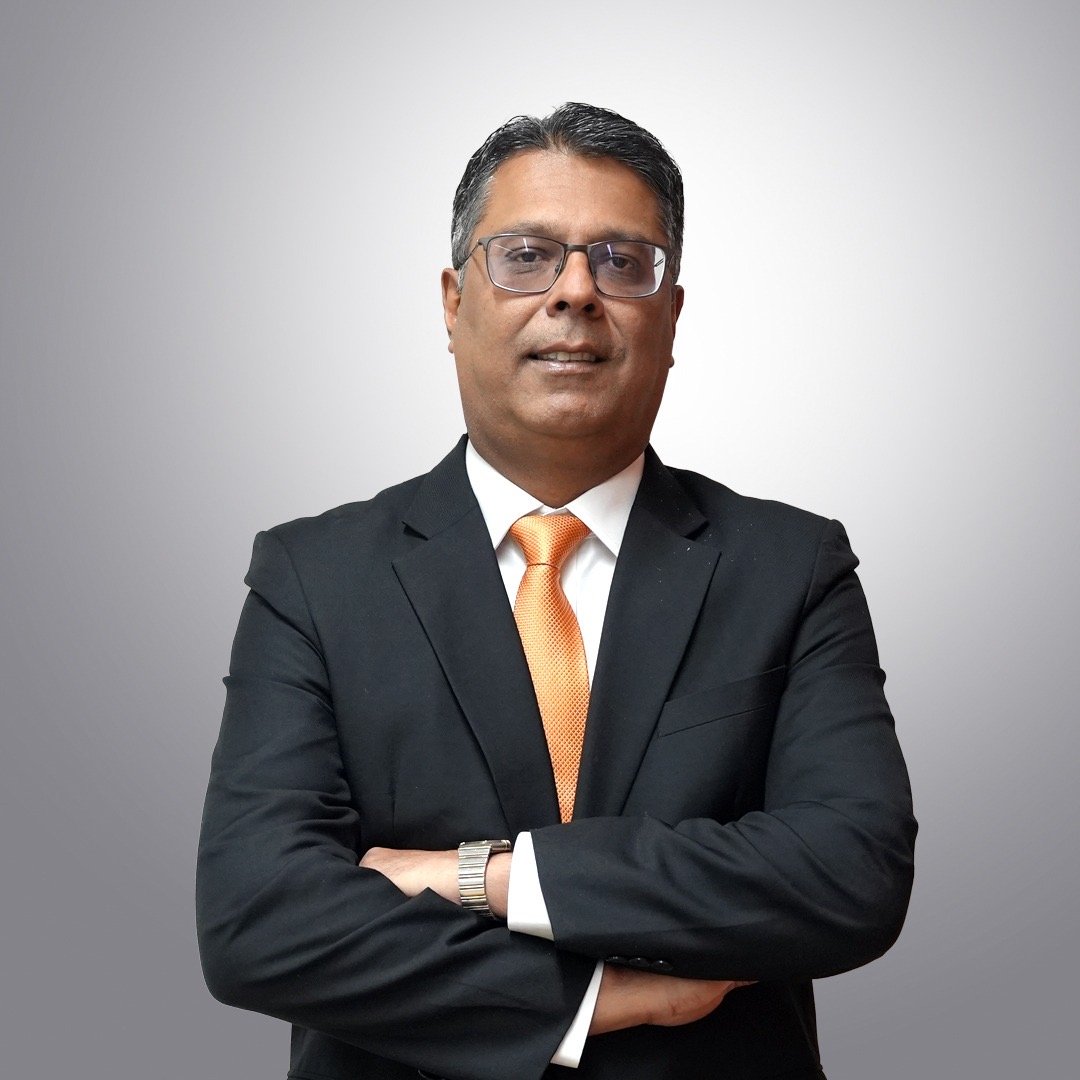
Vivek Batra, Executive Vice President, Global Head, Global Transaction Banking, at Mashreq, spoke to Digital Trade Outlook about the bank’s regional ambitions, why NEO CORP was built the way it was, and how far AI can go in transaction banking before human judgement has to take over.
Digital Trade Outlook–As Global Head of Global Transaction Banking at Mashreq, what are your key priorities, and how do they support the bank’s broader ambitions across its regional and international markets?
Vivek Batra, Executive Vice President, Global Head, Global Transaction Banking, Mashreq: My focus is on building on Mashreq’s strong position as a connected and trusted transaction banking partner for corporates and financial institutions. As clients operate across multiple markets, they need consistent service, strong local execution and seamless access to cash management, payments, trade finance, liquidity and working-capital solutions.
Digitalisation is central to strengthening this proposition. Through APIs, host-to-host connectivity, automation and data-driven insights, we are embedding banking more effectively into clients’ operations and helping them make faster, better-informed decisions. We are also strengthening our ability to support trade corridors connecting the Middle East with Asia, Africa and other high-growth markets. This growth is underpinned by strong governance, disciplined risk management and deep client understanding.
Corporate clients increasingly expect greater speed, transparency and personalisation from their banking partners. Which expectations are changing most significantly, and how is Mashreq responding?
Clients are looking for more than faster processing. They want quicker onboarding, automated workflows, real-time visibility over cash and transactions, and faster access to working-capital solutions. They also expect banking services to reflect their sector, operating model, markets and stage of growth.
Mashreq is responding through an integrated digital proposition that brings together cash management, payments, collections, trade finance and working capital. APIs and host-to-host connectivity allow banking services to sit within clients’ own systems, while automation, analytics and AI can improve efficiency and generate more relevant insights. At the same time, digital capability must be supported by security, resilience and experienced relationship management. Clients want both efficiency and trust.
Mashreq has invested in NEO CORP across cash management, collections, documentary trade and supply chain finance. How is the platform improving the way corporate clients manage their financial operations?
NEO CORP brings multiple transaction banking services into one connected environment, giving clients greater visibility, control and efficiency. Instead of managing cash, collections, trade and supply chain finance through separate channels, corporate teams can access and manage these activities more effectively in one place.
The platform provides greater visibility over balances, liquidity and payment flows, while tools such as virtual accounts, automated reconciliation and digital trade workflows help reduce manual intervention. Clients can also track transactions more easily and connect banking services directly to their treasury and enterprise systems through APIs and host-to-host connectivity.
The broader benefit is reduced fragmentation. NEO CORP helps finance teams make faster decisions, manage working capital more effectively and spend less time administering processes.
Mashreq’s API Marketplace enables banking services to be integrated into clients’ digital ecosystems. How do you see APIs, open finance and embedded banking changing the relationship between banks and businesses?
APIs are changing banking from a destination that clients visit into a capability embedded within the way they operate. Businesses can initiate payments, access balances, reconcile collections and receive transaction updates through their existing treasury, enterprise or customer-facing systems.
“APIs are changing banking from a destination that clients visit into a capability embedded within the way they operate.”
This reduces manual processing and gives businesses faster visibility and greater control over their financial activity. Open finance can extend this model by enabling data and services to move securely across banks, fintechs and technology providers, subject to client consent and appropriate safeguards.
Mashreq’s API Marketplace supports this evolution by providing businesses and developers with a structured way to discover and integrate banking capabilities. However, greater connectivity must always be matched by security, resilience, consent and effective governance.
How do you see artificial intelligence and automation transforming transaction banking, and where can these technologies create the greatest value while maintaining security, governance and client trust?
AI and automation will create value across three main areas: operational efficiency, decision support and risk management. They can help automate document-intensive processes, identify discrepancies, reduce manual hand-offs and improve the speed and consistency of payments and trade transactions.
AI can also help clients improve liquidity forecasting and working-capital management, while supporting banks in identifying anomalies and strengthening financial-crime controls. However, adoption will depend on trust. AI must operate within clear frameworks covering data quality, privacy, cybersecurity, governance and accountability.
Our approach is to use AI to augment human expertise rather than replace judgement. The greatest value will come from combining the speed and scale of technology with the market knowledge, risk discipline and personal accountability of experienced banking professionals.
Looking ahead over the next three to five years, which developments will have the greatest influence on transaction banking and digital trade, and how is Mashreq preparing for them?
Over the next three to five years, transaction banking will be shaped by the growth of real-time finance, embedded banking and AI-supported services. Clients will expect continuous visibility over cash, liquidity and transaction status, alongside faster domestic and cross-border payments.
Banking will also become more seamlessly integrated into clients’ own systems through APIs, host-to-host connectivity and fintech partnerships. At the same time, AI will support areas such as liquidity forecasting, documentary trade, anomaly detection and the early identification of financing needs.
Digital trade will continue to develop as electronic documents, common standards and interoperable platforms become more widely adopted. Mashreq is preparing by modernising its platforms, strengthening its data and risk capabilities, expanding its digital proposition and building partnerships across the ecosystem. Our objective is to give clients a secure, consistent and increasingly seamless banking experience across the markets in which they operate.