
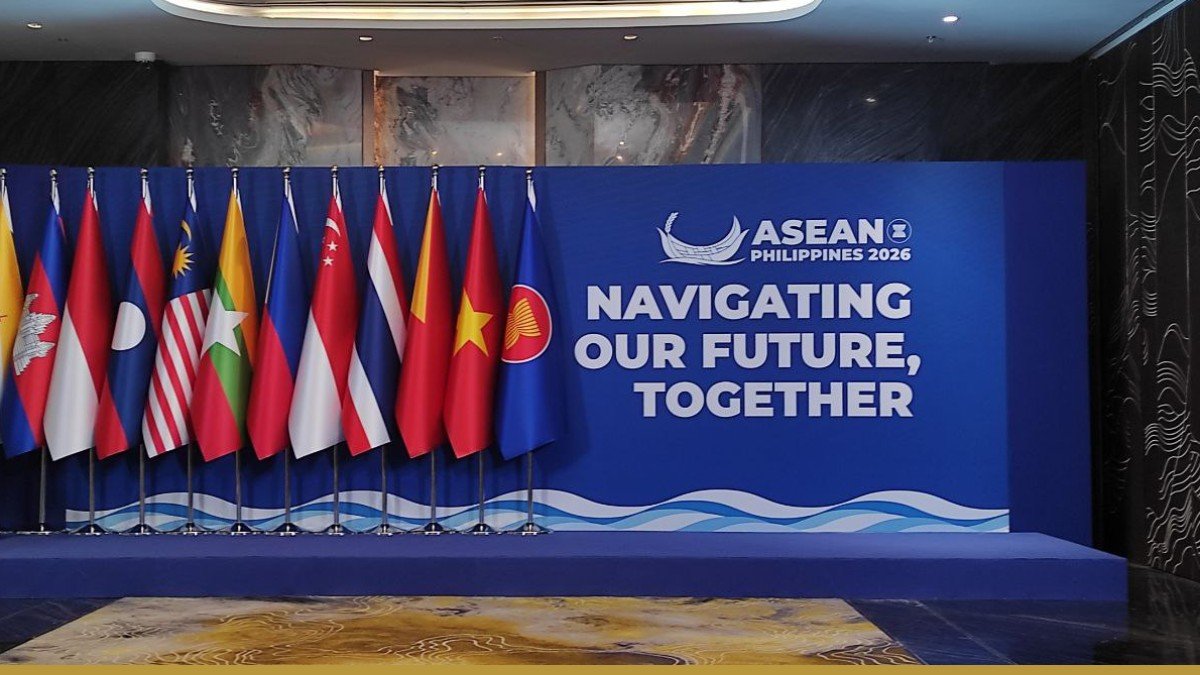
ASEAN leaders are set to sign the Digital Economy Framework Agreement (DEFA) at the 49th ASEAN Summit in Manila next month. Negotiators closed out the text in May, and economic ministers confirmed the timeline when they met in September. It is the bloc’s first regional agreement built entirely around the digital economy.
New to MLETR? Read our explainer: What Is MLETR? The UN Model Law Making Electronic Trade Documents Legally Valid
The text sets shared standards for digital trade, simpler trade procedures, cross border data flows, digital payments and electronic transactions, consumer protection and interoperability. It also covers ground most trade deals still avoid: AI, fintech and source code protection. A Boston Consulting Group study estimates that full implementation could lift the region’s digital economy from $1 trillion to $2 trillion by 2030.
DEFA at a glance
- $503bn to $823bn: trade among ASEAN members, 2010 to 2024
- 99%: ASEAN tariff rates already eliminated
- 66 WTO members, about 70% of world trade: the electronic commerce coalition formed in Yaoundé
- $2tn: projected ASEAN digital economy by 2030 with DEFA
What DEFA Builds On
The goods side is largely done. ASEAN Secretariat figures show trade among member states grew by nearly two thirds between 2010 and 2024, and 99% of tariff rates are already gone.
Tariffs are no longer the main obstacle. What slows firms down now, the Secretariat says, is barriers other than tariffs, mismatched standards and red tape. That is why the goods agreement was upgraded in October 2025, with a heavy tilt toward digital processes and electronic trade documents. DEFA applies the same thinking to data, payments and digital services.
Rules Written Where the WTO Left a Gap
The timing is telling.
WTO members gathered in Yaoundé in March and could not agree on electronic commerce. The moratorium on customs duties for electronic transmissions, in place since 1998, lapsed at the end of the month.
A smaller group did move. Some 66 members, covering about 70% of world trade, signed up to interim arrangements for an E-Commerce Agreement. It takes effect among them once 45 have ratified it. Washington stayed out, reportedly to keep its hands free on domestic rules.
The pattern is hard to miss. When consensus fails, the willing go ahead on their own. ASEAN is doing it as a region, and the Yaoundé group is doing it as a coalition. Neither replaces the multilateral system, but both now shape what companies can count on while Geneva stays stuck.
Where the Agreement Touches Trade
Much of what DEFA covers is trade plumbing. PS Engage, a Singapore policy consultancy, points to provisions on electronic invoicing, digital identity and cross border data alongside payments.
For an exporter or a bank in Southeast Asia, these are not abstractions. They decide whether an invoice, a payment instruction or a KYC check can move across a border without someone redoing it on the other side.
Paper is on the agenda too. In October 2025, Gan Kim Yong, speaking as Singapore’s Deputy Prime Minister and Minister for Trade and Industry, said shared standards would let ASEAN encourage members to move toward digitalised trade documentation. Trade finance will notice first, because documents are what a bank checks before it releases money.
The Secretariat calls DEFA the region’s first legally binding digital economy framework. That matters. When national rules clash, a binding text gives firms something concrete to point to.
A Region With Several Partners
None of this is happening in isolation. At the same meeting, Gan noted that ASEAN had finished the 3.0 upgrade of its free trade area with China and was negotiating upgrades of several other agreements. It was also exploring cooperation with the EU and a dialogue with the CPTPP.
The US-ASEAN Business Council has said early engagement on DEFA should help the framework support deeper digital integration between the United States and ASEAN.
Taken together, this looks like hedging rather than picking sides. A bloc sitting between several large partners has every reason to want rules that none of them wrote alone.
Questions Worth Asking
Reach. A framework agreement binds governments, not banks or businesses. ASEAN wants ratification completed within 180 days of signing, and each member then has to turn the text into domestic rules. Some will move faster than others.
Fit with national rules. Members still handle data, payments and digital identity in very different ways. DEFA has to sit on top of that variety, not wipe it out.
Adoption beyond the region. If banks and exporters elsewhere find the framework workable, it could become a template. If they don’t, it is one more rulebook to track.
Support for smaller firms. Small exporters, and the banks that lend to them, will feel the move to digital documents and payments early. Plenty of them will need help getting there.
One common standard should be easier for regional banks to meet than ten national ones. That only holds if the text is applied consistently, which is a big if.
Geneva No Longer Writes the Rulebook
Manila now has as strong a claim as Geneva. The real test of DEFA comes after the November signing: can an Indonesian invoice clear a Thai bank without being redone? If it can, the winners will be the banks and platforms that work across several rulebooks. Those still tied to paper and single markets will be left reconciling the gaps.
Related on Digital Trade Outlook
- Consensus Collapses: WTO Meet Signals Fragmentation in Digital Trade Rules
- Paperless Trade Gains Momentum as Governments Push Digital Trade Documentation
- India and Indonesia to Link UPI and QRIS in Cross-Border Payment Push
Image: ASEAN 2026 Philippines Host Media (public domain), via Wikimedia Commons